Top Basement Remodeling Design Trends for 2026
The biggest basement remodeling trends for 2026 focus on flexible layouts, warmer materials, smarter lighting, and spaces designed around how families actually live. Homeowners are moving away from single-purpose rooms and toward basements that adapt, look great, and add real value to the home.
Basements used to be the room nobody talked about. Storage, old furniture, maybe a dehumidifier running in the corner. That era is over.
Homeowners across Chicago and the North Shore are treating their basements like real living space now, and the design expectations have caught up. The trends driving basement finishing projects in 2026 are practical, not flashy. These are spaces built to be used every day, not just shown off during an open house.
Here’s what we’re seeing in basement remodels right now and what’s worth considering for your own project.
Flexible, Multi-Purpose Rooms That Grow With Your Family
The days of building a basement for one thing are fading. Families need space that does more than one job, and the best 2026 designs are built around that reality.
The combinations we’re building most often:
- A home office that converts to a guest room with a Murphy bed or pullout sofa
- A media room with a sectioned-off workout area behind a half wall or sliding partition
- A kids’ playroom designed to transition into a teen lounge as the family grows
- A wet bar and lounge area that doubles as casual dining space for entertaining
What makes this work is intentional planning up front. Movable partitions, built-in shelving that defines zones without closing them off, and flexible lighting that can shift the mood of a room from workspace to movie night. Design it once, use it for years.
For Chicago families in older homes, this is especially valuable. A Ravenswood bungalow or Lincoln Square two-flat doesn’t always have a spare bedroom or dedicated playroom above grade. The basement fills that gap.
Warm, Natural Finishes That Make a Basement Feel Like Home
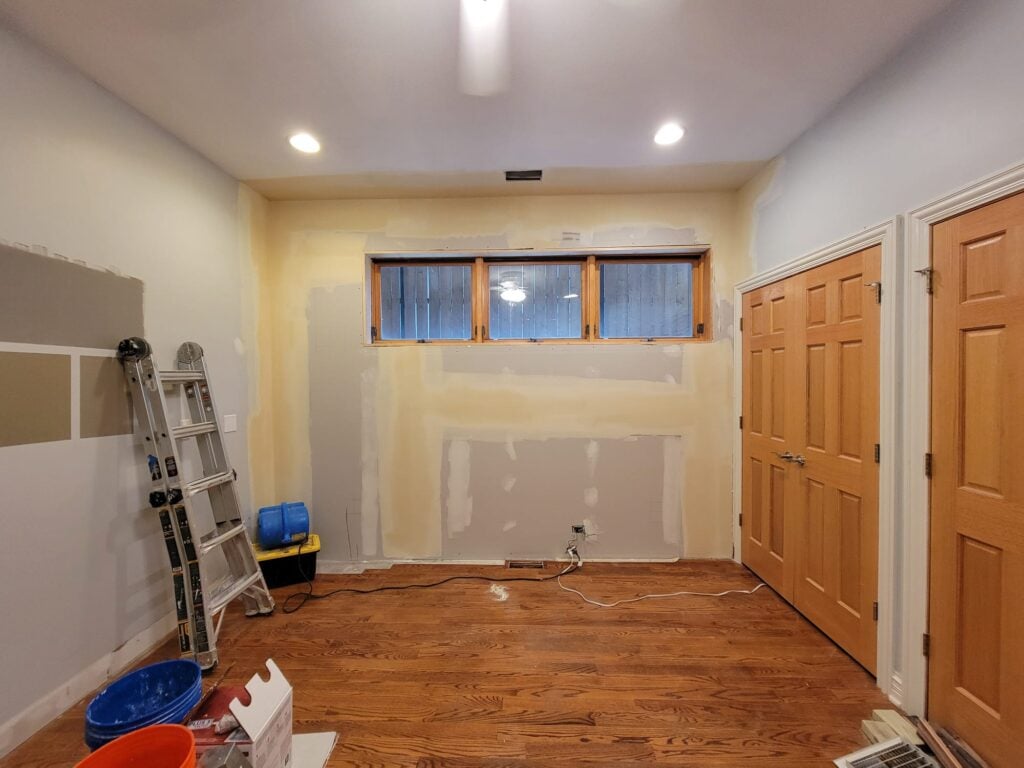
Cold, gray, sterile. That’s what basements used to feel like, and homeowners in 2026 want the opposite. The strongest design trend this year is making the basement feel connected to the rest of the house, not like a separate world underground.
The material choices driving this shift:
- Luxury vinyl plank (LVP) flooring with realistic wood grain. It handles moisture better than hardwood, which matters in any Chicago basement, and it looks great.
- Light to mid-tone wood wall panels or shiplap accents to add warmth without overwhelming the space
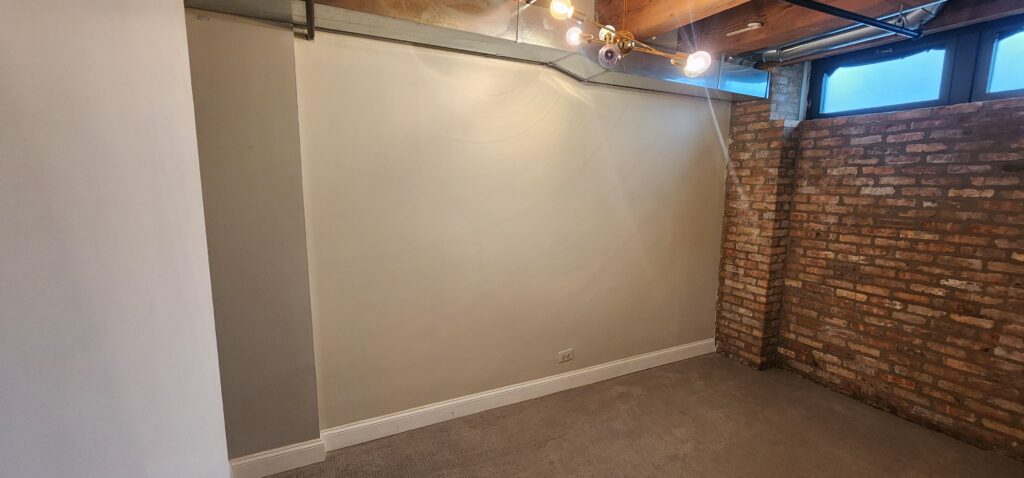
- Stone or brick accent walls in small doses. If your Chicago home already has an exposed brick or stone foundation, leaning into that texture rather than covering it up is a strong move.
- Soft matte paint finishes instead of high-gloss. Matte hides imperfections and creates a calmer, more grounded feel.
The goal is simple. When someone walks downstairs, they shouldn’t feel like they’ve left the house. The best finished basements in 2026 feel like a natural extension of the main floor.
Smarter Lighting for Basements With Few (or No) Windows
Natural light is the biggest challenge in any below-grade space, and it’s the one thing that separates a basement that feels good from one that feels like a cave. In 2026, lighting design is getting a lot more attention in basement projects.
What’s working right now:
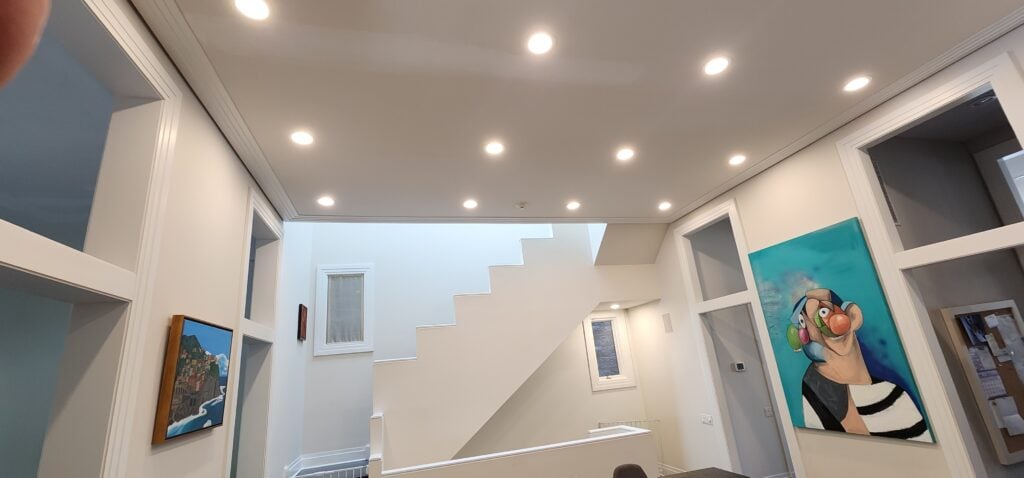
- Layered lighting plans that combine recessed ceiling lights, wall sconces, and under-cabinet or under-shelf LED strips. One overhead fixture is not enough.
- Warm-tone LEDs (2700K to 3000K) instead of the cool, bluish light that makes basements feel institutional
- Larger egress windows where code and lot conditions allow. Even gaining a few extra inches of glass makes a real difference.
- Glass interior doors or open doorway designs that let whatever light exists travel further through the space
- Dimmable controls on every circuit so the same room can feel bright for working or soft for movie night
This is one of the areas where upfront planning pays off the most. Retrofitting lighting after the drywall is up is expensive and disruptive. Getting it right from the start is worth the conversation.
Home Offices Built for Real Work, Not Just a Desk in a Corner
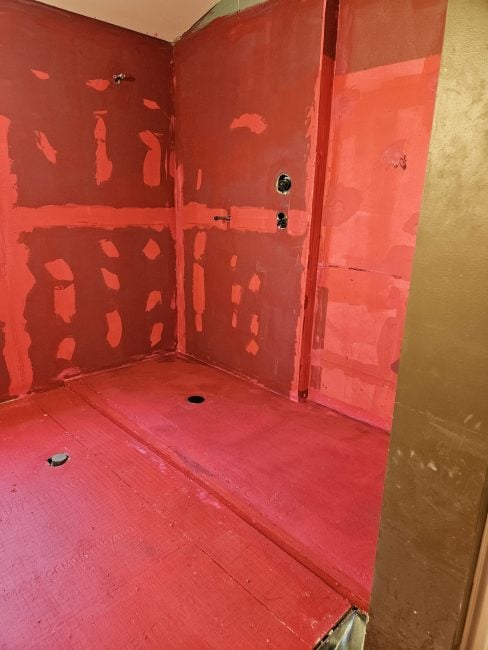
Remote and hybrid work is a permanent part of life now. Basements are becoming dedicated work zones, and 2026 projects are going beyond just putting a desk downstairs.
What separates a good basement office from a great one:
- Sound insulation in the walls and ceiling. This is the single biggest upgrade. Insulated stud walls and a solid-core door turn a basement office from a compromise into a real workspace.
- Built-in desks and shelving instead of freestanding furniture that clutters the room and wastes space
- Dedicated electrical circuits for equipment, plus enough outlets to avoid extension cords across the floor
- Task lighting and video call lighting planned into the design. If you’re on Zoom every day, the lighting behind your screen matters.
For homeowners on Chicago’s North Side, where a lot of the housing stock doesn’t include a formal home office, the basement is often the only realistic option for a quiet, private workspace.
Basement Bathrooms That Don’t Feel Like an Afterthought
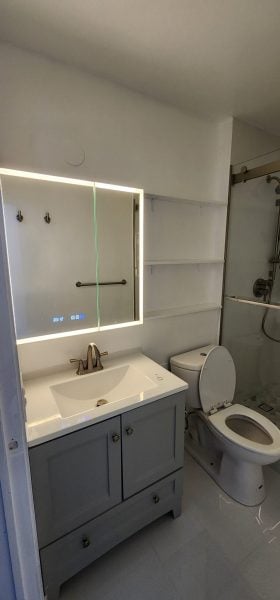
A basement bathroom used to mean a toilet behind a curtain. That standard is gone. Homeowners in 2026 expect a basement bath to feel like any other bathroom in the house.
What we’re seeing in finished basement bathrooms:
- Full-size walk-in showers with modern tile work, not cramped stall inserts
- Floating vanities that save floor space and look clean
- Proper ventilation systems designed for below-grade moisture levels. This is critical in Chicago basements where humidity is already a factor.
- Finishes, hardware, and fixtures that match the quality of the upstairs bathrooms
Adding a bathroom renovation to a basement finish increases both the usability and the resale value of the project. If you’re going to finish the space, including a full bath makes it significantly more functional as a guest suite, in-law space, or even a future rental unit.
Built-In Storage That Keeps the Space Usable Long-Term
A finished basement without good storage will turn back into a cluttered catch-all within a year. The smartest 2026 designs build storage into the architecture so it disappears.
Storage ideas that are trending:
- Drawers and cabinets built into the staircase, which is often dead space in a basement layout
- Bench seating along walls with hidden storage compartments underneath
- Full-wall cabinet systems that look like built-in paneling
- Storage tucked under wet bars, media consoles, and window seats
When everything has a home, the basement stays a living space. Without a storage plan, it slowly reverts to the dumping ground it was before the renovation.
Clean Color Palettes With Personality
Color trends for basements in 2026 are calm but not boring. The all-gray basement is giving way to warmer neutrals paired with intentional accent colors.
Combinations that are working well:
- Warm greige or cream walls with charcoal or black trim and hardware
- Soft gray tones paired with deep navy or forest green accents
- Earth tones with matte black lighting fixtures and cabinet pulls
- Neutral walls balanced by a textured feature wall in wood, stone, or brick
These palettes are timeless. They won’t look dated in three years, and they pair well with the warm material choices that are driving the rest of the design.
What to Do Before Starting a Basement Remodel
Design trends are helpful, but none of them matter if the fundamentals aren’t handled first. Before picking colors or planning a wet bar, take care of the basics.
Our checklist before any basement remodel starts:
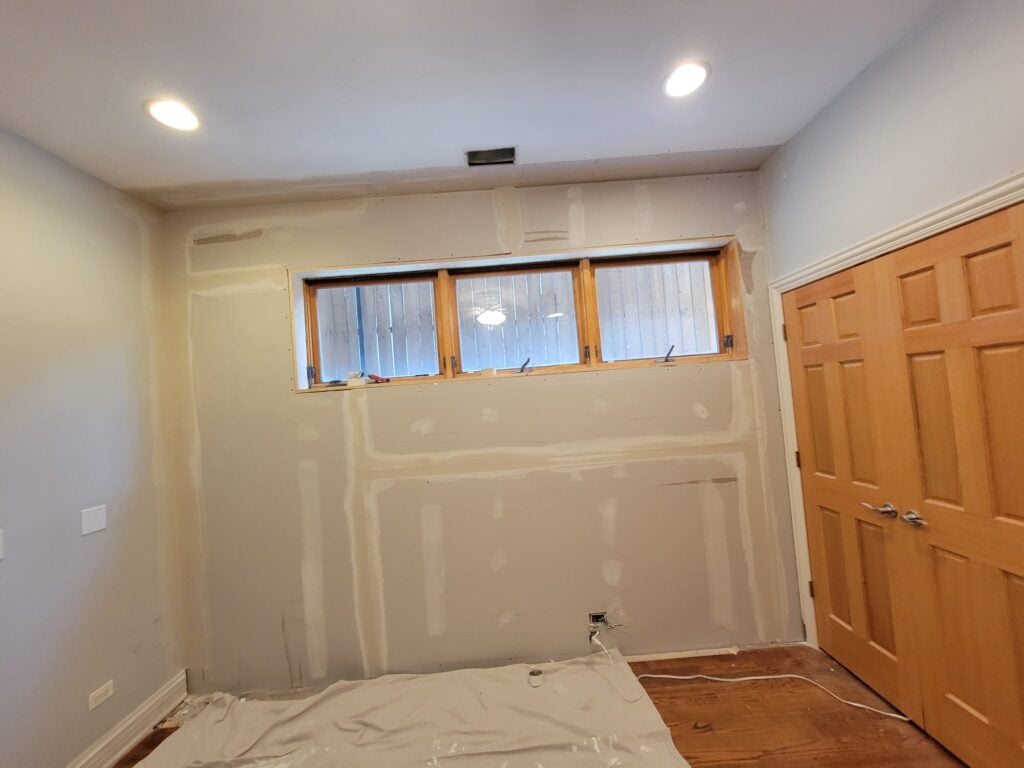
- Address moisture first. In Chicago, that means evaluating your sump pump, drain tile, backwater valve, and foundation condition before a single wall goes up. This is non-negotiable.
- Confirm your ceiling height. Chicago code requires 7 feet minimum for habitable rooms. Measure early so you know what you’re working with before committing to a design.
- Plan electrical and lighting from day one. Don’t leave this for the end. Lighting layout, outlet placement, and circuit capacity should be decided before framing starts.
- Think 5 years ahead. Your kids will grow. Your work situation may change. Build a space that can adapt rather than one that only works for how life looks right now.
Smart planning avoids expensive change orders and keeps the project on budget.
Build a Basement Your Family Actually Uses
The best basement remodels in 2026 are the ones that feel like a natural part of the home. Flexible layouts, warmer materials, better lighting, and thoughtful storage are leading the way. The trend is toward spaces that work for real life, not just spaces that look good in a photo.
Get an Eric, LLC is a licensed general contractor based in Chicago, serving the North Side and North Shore suburbs. We handle basement remodeling projects from planning through final inspection, including waterproofing, permits, and every trade in between.
Call us at (773) 692-9573 or request a free estimate online.
About Get an Eric, LLC
Get an Eric, LLC is a licensed general contractor serving Chicago and the North Shore suburbs. We specialize in basement finishing, kitchen remodeling, bathroom renovations, and whole-home renovations. Our team works exclusively on residential remodeling projects across Ravenswood, Lincoln Square, North Center, Andersonville, Lakeview, Lincoln Park, Evanston, Wilmette, and surrounding communities.
Frequently Asked Questions About Basement Remodeling Trends
Here are the questions homeowners ask most when planning a basement remodel.
What are the biggest basement remodeling trends for 2026?
The top trends for 2026 are flexible multi-purpose layouts, warm natural materials like luxury vinyl plank and wood accents, layered lighting with warm-tone LEDs, dedicated home offices with sound insulation, full-quality basement bathrooms, and built-in storage that keeps the space organized long-term.
What flooring is best for a finished basement?
Luxury vinyl plank (LVP) is the most popular basement flooring choice in 2026. It handles moisture better than hardwood, resists temperature changes, and comes in realistic wood-grain finishes that look great. It’s especially well-suited for Chicago basements where humidity and occasional moisture are always factors.
How do you make a basement feel less like a basement?
Warm materials, good lighting, and intentional design make the biggest difference. Use warm-tone LED lighting (2700K to 3000K), natural wood or stone accents, matte paint finishes, and flooring that matches the style of your main floor. Layered lighting and glass doors help light travel through the space.
Is a basement home office a good idea?
Yes. Basements are ideal for home offices because they’re naturally quiet and separated from main-floor activity. The key upgrades are sound insulation in the walls, a solid-core door, dedicated electrical circuits, built-in desk space, and proper lighting for video calls.
Does a finished basement add value to a home?
Yes. A well-finished basement typically returns 65 to 70 percent of the investment at resale. Beyond the financial return, added finished square footage makes a home more functional and more competitive on the market, especially in neighborhoods where above-grade space is limited.
Should I add a bathroom to my basement remodel?
If your budget allows, yes. A basement bathroom significantly increases the usability of the space for guests, family members, or potential rental use. It also adds meaningful resale value. Plan for proper ventilation and moisture control, especially in below-grade installations.